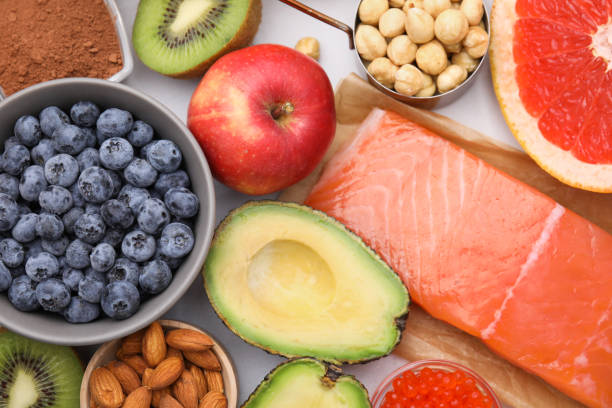
Healthy eating in 2025 is not the same as it was five years ago. I mean, remember when everyone was obsessed with kale chips? Or when quinoa was basically treated like some magical alien grain that could fix your life? Yeah… trends come and go. Now we’re in this weird but exciting phase where food, tech, and lifestyle are all blending together. Some people literally wear rings that tell them if they should eat more protein. (I don’t know if I love that or if it’s just Big Tech making sure even our snacks get tracked).
But anyway, if you’ve been thinking “ok, what does healthy eating even mean now?” this little guide is for you.
Personalized Nutrition (a.k.a. your DNA tells you what to eat)
One of the biggest shifts is personalization. No more “one-size-fits-all” diets plastered all over magazines. In 2025, people are getting diet plans based on their genetics, gut health, and even sleep patterns. There are apps where you spit in a tube, send it off, and get told things like “you process carbs better than fats” or “you should eat more lentils.” Kinda creepy, kinda cool.
I tried one of these tests, and it told me I have a “moderate sensitivity to caffeine.” Which explains why I once drank two cold brews and thought I was about to meet my ancestors.
Plant-Based 2.0
Being vegetarian or vegan isn’t “alternative” anymore. Plant-based food has leveled up. We’re not just talking about soy burgers that taste like cardboard. In 2025, you can get lab-grown chicken nuggets, mushroom-based steaks, and even dairy-free cheese that doesn’t taste like sad rubber. It’s wild.
On TikTok, there’s even a trend where people are making “carrot bacon.” It’s literally just carrots sliced thin, marinated, and baked until crispy. Honestly, it slaps.
Functional Foods (your snacks now come with superpowers)
You know how granola bars used to just be, like, oats and sugar? Now every food brand is trying to sneak in extra benefits. Protein water, mood-boosting chocolate, probiotic chips… even coffee with adaptogens (fancy herbs that supposedly help with stress).
I had one of those “mushroom lattes” that promised focus and clarity. Spoiler: I still procrastinated, but at least I felt healthier while doing it.
Sustainable & Local Eating
This one’s less about health for your body and more about health for the planet. People are paying more attention to where their food comes from. Local farms, seasonal produce, community-supported agriculture boxes — that’s becoming mainstream. And honestly, fresher food just tastes better. Like, a tomato grown 20 miles away will beat a tomato shipped across the world every single time.
Plus, Gen Z has made it uncool to ignore sustainability. There are Reddit threads roasting people who still buy 20 tiny plastic water bottles instead of one reusable. Brutal, but kind of effective.
Tech in the Kitchen
Smart ovens, AI meal planners, grocery delivery apps that suggest recipes based on what’s in your cart — technology is lowkey running the food game. Some people even use VR cooking classes where a virtual chef guides them step by step. (Personally, I’d rather just watch YouTube and pause Gordon Ramsay when he gets too intense, but hey).
Balance, Not Perfection
This is maybe the most important shift. People are finally realizing that “healthy” doesn’t mean eating nothing but green smoothies. It’s about balance. You can eat your protein-packed quinoa salad and have pizza on Friday night without spiraling into guilt.
One of my favorite quotes I saw floating around Instagram was: “A bad meal won’t make you unhealthy, just like one salad won’t make you fit.” That kind of mindset feels so much healthier than the old diet culture days.