How Robotics is Shaping For others, it’s those vacuum cleaners that quietly zip across the floor while you binge-watch Netflix. But robotics today is way beyond gadgets and cool machines. It’s basically reshaping how entire industries work — from factories to hospitals, and even the way your groceries are delivered.
And honestly, if you look around closely, you’ll notice that we’re already living in the future we used to imagine a decade ago.
Factories That Don’t Sleep
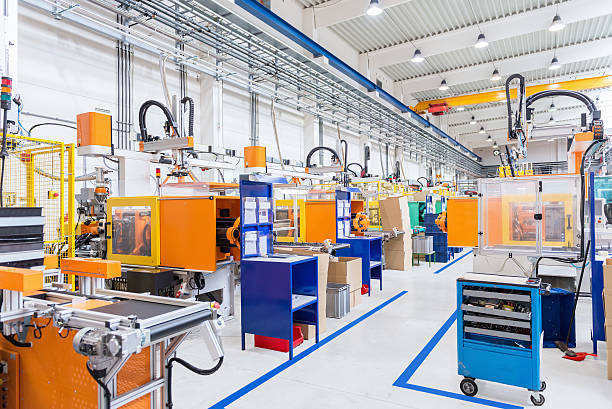
Let’s start with manufacturing, since that’s where robotics first got serious. In the past, production lines relied heavily on human workers for repetitive tasks like welding, assembling, or packaging. Now? Robots handle most of that. They don’t get tired, they don’t call in sick, and they work with precision that humans simply can’t match over long hours.
What’s interesting is that it’s not just big companies like Toyota or Tesla using them. Smaller manufacturers are also adopting collaborative robots — often called “cobots” — that work alongside humans. Think of it like having a super-reliable colleague who never complains, and whose only job is to make your job easier.
Healthcare With Robotic Hands
Robotics in healthcare sounds like science fiction, but it’s already saving lives. Surgeons now use robotic-assisted systems for delicate operations, like heart or brain surgeries, where the tiniest mistake can be critical. Robots can hold surgical tools with steadiness no human hand can match.
And then there’s the care side. In countries with aging populations, robots are being tested to help the elderly with daily tasks — lifting patients, delivering meals, or even just providing companionship. It might sound a little sad that humans need machines for comfort, but in places where there’s a shortage of caregivers, it’s actually a lifeline.
Deliveries and Logistics on Autopilot
Ever ordered something online and wondered how it reaches your doorstep so quickly? That’s robotics working behind the scenes. Warehouses are packed with robots that sort, pick, and move goods with insane efficiency. Amazon, for instance, has fleets of little robots zooming around its fulfillment centers, carrying shelves of products to human packers.
In the near future, delivery drones and self-driving vans may become normal. Imagine ordering groceries and having a small robot roll up to your door with your bags. It sounds fun — until the robot blocks your driveway and you’re stuck negotiating with a machine.
Agriculture Gets a Robot Upgrade
Here’s one you might not think of immediately: farming. With climate change and food demand rising, robotics is stepping into the fields too. Autonomous tractors, drones spraying crops, and even robots that can identify and pick ripe fruits are becoming real. Farmers save time, money, and labor, while also producing food more efficiently.
And let’s be honest — convincing the next generation to work long hours in muddy fields isn’t easy. Robotics might just make agriculture “cool” again.
Robots in Your Everyday Life
You don’t have to work in a factory or hospital to feel the effects of robotics. From AI-powered chatbots helping with customer service (sometimes too annoyingly) to robotic cleaners and even bartending robots mixing your drinks — it’s becoming part of daily life. Some hotels even have robot receptionists and luggage carriers. Not always perfect, but definitely entertaining.
So, Should We Be Worried?
Here’s the big debate: robots are efficient, but they also replace jobs. Some roles are disappearing, yes, but new ones are also being created — think robot maintenance, programming, and supervision. It’s kind of like when computers took over offices. Jobs changed, but they didn’t vanish entirely. The same is happening with robotics.
What’s really important is how people adapt. Industries that embrace robotics are likely to grow, and individuals who learn how to work with robots (instead of fearing them) will have an advantage in the job market.
Final Thought
Robotics isn’t just about cool machines; it’s about rewriting the rulebook for how industries operate. Whether it’s surgeries done with robotic precision, crops harvested by autonomous tractors, or your next online order packed by a robot, the future is already here.