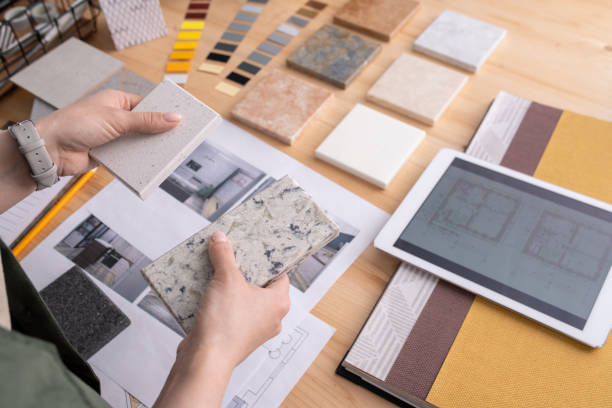
Renovating a home is exciting. You’re imagining the fresh paint smell, shiny new floors, maybe even that Pinterest-inspired kitchen you’ve been saving for years. But here’s the twist: the choices you make during renovation don’t just affect your comfort and wallet — they also leave a mark on the planet. And lately, there’s been this growing push (not just by environmentalists but also by homeowners) to use sustainable materials.
At first, it might sound like a buzzword, like “organic” or “gluten-free” slapped on everything. But sustainable renovation isn’t about being trendy. It’s about choosing materials that last longer, waste less, and make your home healthier. And honestly, some of the benefits are things most people don’t even think about.
1. You Save Money in the Long Run
Let’s get the obvious one out of the way: cost. Yes, some sustainable materials might feel pricey upfront. Bamboo flooring or recycled glass countertops aren’t always the cheapest on the market. But here’s the kicker — they usually last longer and require less maintenance.
Think of it like buying a good pair of shoes. Cheap ones wear out fast, and you end up buying new ones every season. Quality ones might sting your wallet initially, but they carry you for years. The same goes for sustainable materials. Energy-efficient insulation, durable reclaimed wood, or even metal roofing outlive many conventional options. Less replacement = more savings.
2. They Make Your Home Healthier
Ever heard of “sick building syndrome”? It’s a real thing. Poor air quality indoors can make you feel tired, dizzy, or just generally off. A lot of that comes from volatile organic compounds (VOCs) found in regular paints, adhesives, and flooring. Sustainable options — like low-VOC paints or natural wood finishes — cut down on those invisible nasties.
Translation: less headache from that “new carpet smell” and a cleaner environment for you, your kids, or even your pets who spend half their life lying on the floor.
3. Lower Carbon Footprint = Good Karma
This one’s simple. Using recycled, reclaimed, or locally sourced materials reduces waste and lowers the carbon footprint of your renovation project. Instead of pulling fresh resources from the earth, you’re reusing what already exists.
Take reclaimed wood for example. Not only does it save trees, but it also has this unique character — knots, scratches, and history built into it. Honestly, it can look way cooler than some sterile “new” boards you pick off a shelf.
4. Boosts Your Home’s Value
Buyers are getting smarter. People love the idea of eco-friendly homes, not just for the planet but for the utility bills too. A house built or renovated with sustainable materials and energy-efficient design can actually stand out in the market.
Imagine telling a potential buyer: “This place is insulated with recycled denim and the floors are bamboo.” It’s a conversation starter, and in today’s eco-conscious market, it’s a selling point.
5. Durability You Didn’t Expect
There’s this myth that “eco-friendly” equals “fragile.” Nope. Many sustainable materials are tougher than conventional ones. Bamboo is harder than oak. Recycled metal roofs last decades longer than asphalt shingles. And natural stone countertops? Good luck scratching those.
So when you pick sustainable, you’re not just being kind to the planet — you’re also choosing materials that can take a beating and still look good.
6. You Feel Better About the Renovation
Okay, this one’s less technical but still important. Renovation guilt is real. The dumpsters full of debris, the piles of packaging, the endless plastic wrap — it can make you feel like you’re personally destroying the Earth for the sake of a shiny backsplash.
Choosing sustainable materials eases that guilt. You know you’re cutting down waste, reusing resources, and supporting a healthier home. Plus, it just feels good to brag a little: “Yeah, my countertop used to be a recycled bottle. Cool, right?”
Wrapping It Up
Using sustainable materials in renovation isn’t just about saving the planet (though that’s a huge plus). It’s about smarter choices that pay off in comfort, durability, health, and even property value.