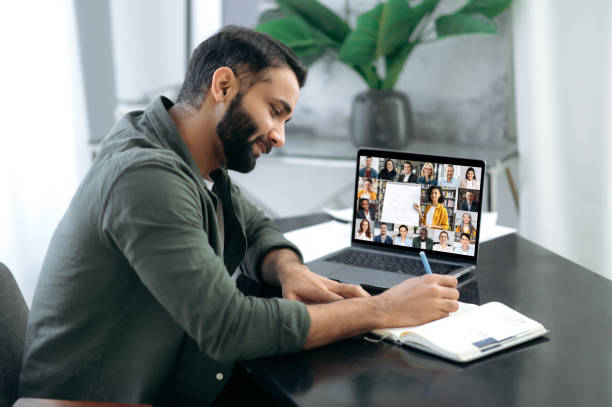
If you’ve ever tried studying online, you know it’s kind of like going to the gym: you sign up full of energy, watch two videos, then suddenly you’re on YouTube watching cat compilations. Still, online learning platforms have seriously changed how people pick up skills, pass exams, or even switch careers without ever stepping inside a classroom.
The Rise of Online Learning (and why everyone’s talking about it)
When the pandemic hit, schools and colleges were basically forced into digital mode. Zoom became the new classroom, and teachers had to figure out how to unmute themselves (some still haven’t, let’s be honest). But what started as an emergency shift kind of turned into a permanent trend.
Stats I stumbled across: global e-learning is expected to hit over $400 billion by 2026. That’s massive. And it makes sense — you can learn Python from your bed at 2 a.m., or practice French with someone in Paris while you’re sitting in Delhi or New York. No traditional classroom can pull that off.
Platforms That Actually Work (not just hype)
-
Coursera & edX – Pretty much the Netflix of education. You’ve got Ivy League professors teaching courses, often free if you don’t care about the certificate.
-
Udemy – More like a digital marketplace. Some courses are meh, but others are gold. I once learned Excel shortcuts here that saved me hours (and yes, Excel is more powerful than people give it credit for).
-
Khan Academy – If you hated math in school, this place explains it better than most teachers ever did.
-
Skillshare – Feels more creative, with stuff like photography, design, or even productivity hacks.
-
Duolingo – Okay, the owl is annoying but also effective. Miss a lesson and it guilt-trips you like your mom.
What’s cool is, these platforms are global classrooms. You can be in a small town and still access the same quality of lessons someone in New York or London is watching. That’s a crazy leveling of the playing field.
Digital Tools That Save You (and your sanity)
-
Google Classroom – Kinda boring but reliable. Teachers love it because it organizes assignments.
-
Notion – Half productivity, half aesthetic flex. Students post their beautiful dashboards on TikTok, but honestly even a messy Notion setup can change how you study.
-
Quizlet & Anki – Flashcard magic. Active recall in disguise. I wish I had these during my school days instead of rewriting the same notes 15 times.
-
Zoom / MS Teams – Yeah, we all hate them, but they keep online lectures alive.
-
Slack / Discord – Funny enough, lots of students use Discord servers as study groups. Some of those are more helpful than official classes.
The Pros Nobody Talks About
-
Flexibility – Obvious, but underrated. You can learn at midnight if that’s when your brain wakes up.
-
Niche stuff – Want to study blockchain in supply chain logistics? Good luck finding a local teacher. But online, there’s probably a course for that exact thing.
-
Cost – Some degrees online are a fraction of traditional tuition. Plus, YouTube is literally free university if you know how to dig.
-
Community – This one’s surprising. Reddit study groups, Discord servers, even comment sections sometimes feel more interactive than sitting in a dull lecture hall.
But It’s Not All Perfect…
-
Distractions – Let’s be real, studying online is also competing with Netflix, Instagram, and memes. Sometimes, digital learning feels like trying to diet while living in a bakery.
-
Quality control – Not all online courses are good. Some are just slides with a monotone voiceover. (I bought one like that once… never again.)
-
Isolation – You don’t always get the same “classroom energy.” No random conversations, no classmates asking dumb questions you secretly needed answered.
Where This Is Headed (2025 and beyond)
AI is already sneaking in everywhere. Platforms are using chatbots to answer questions, adaptive quizzes that change based on your level, even AI tutors that can explain things in simple terms. Imagine having a personal teacher who never gets tired of your “explain it again?” questions.
There’s also VR classrooms starting to pop up. You wear a headset and suddenly you’re in a “virtual lab” experimenting with stuff you could never do at home. Sounds futuristic, but it’s closer than people think.
My Take
Honestly, I think online learning is here to stay, but it works best when mixed with real-life interaction. Like, self-paced courses are great, but humans need humans. Even just having a WhatsApp group with classmates keeps you accountable. Pure digital feels too lonely after a while.
The trick is to treat online platforms as tools, not magic solutions. They’ll give you the material, but you still need discipline (and maybe a study buddy who yells at you when you’re procrastinating).
In short, online learning platforms and digital tools are reshaping education the way Spotify reshaped music — more choice, more access, but also more noise. You have to know how to pick the right playlists (or in this case, courses). And if you can balance screen time with real-world learning, you’ll get the best of both worlds.