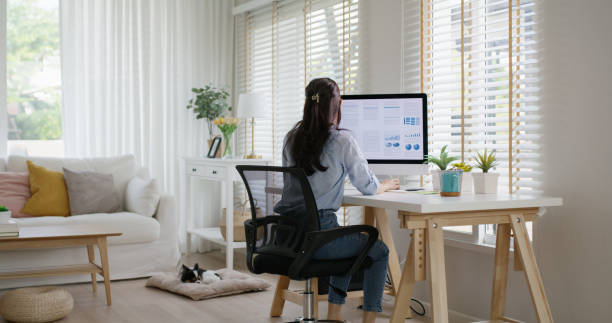
Working from home used to be this “temporary” thing, right? Just a laptop on the dining table, maybe a chair that slowly ruins your back, and endless background noise from the kitchen or TV. But now, for many of us, it’s permanent. Which means—time to actually design a home office that works and doesn’t look like a sad corner of the house where creativity goes to die.
The trick? Balancing function with style. Because let’s be honest, nobody gets motivated staring at beige walls and a squeaky chair.
Start With Comfort (Your Back Will Thank You)
First things first: your chair and desk. People love spending thousands on fancy tech but then work eight hours on a wobbly chair from the basement. Big mistake. A good ergonomic chair isn’t a luxury anymore; it’s survival gear. Same with the desk — get one with the right height, or go adjustable if you like the standing-desk trend (though, fair warning, you’ll probably still sit most of the time).
I once tried working from a couch for a month. Sounds dreamy, right? Nope. My posture was wrecked, my productivity dropped, and my chiropractor probably thought I was his new best client. Moral of the story: invest in your workspace, your spine deserves it.
Lighting Is Everything
If you’ve ever had a Zoom call where you look like a villain plotting in the dark, you’ll understand why lighting matters. Natural light is king — put your desk near a window if you can. It keeps you awake, helps your mood, and, bonus, you don’t feel like a cave troll.
For evenings, go with warm task lighting. Overhead lights are okay, but a stylish desk lamp does double duty: it looks good and keeps you from squinting at papers like your grandma trying to read fine print.
Declutter, But Don’t Go Full Minimalist Monk
A tidy space = a tidy mind. But here’s the thing: too much minimalism can feel sterile. If your office looks like a tech showroom, you might end up feeling like a guest in your own space. The balance is key.
Use shelves, organizers, or even baskets to keep cables and random office supplies out of sight. But also keep personal items—photos, plants, maybe even that weird figurine you bought on vacation. It makes the space yours, not just “a place where spreadsheets live.”
Add Some Green (Yes, Plants Matter)
This might sound like Instagram-level advice, but plants genuinely make a difference. Studies show they improve air quality and reduce stress. Translation: fewer headaches and fewer urges to throw your laptop out the window after a long meeting.
Even a little cactus or snake plant can brighten up your office. And if you’re like me and have the plant-care skills of a rock, just go with something impossible to kill.
Style That Reflects You
Forget Pinterest perfection. Your home office doesn’t have to look like everyone else’s neutral-toned “inspo board.” Do you love bold colors? Paint an accent wall. More of a cozy vibe person? Add soft rugs, textured curtains, and warm tones.
One of my friends covered her office wall with travel photos and postcards. Another added a neon sign just because she liked it. That’s the point — style it so when you walk in, it feels like YOUR space, not a generic office cubicle.
Tech That Doesn’t Ruin the Aesthetic
Yes, tech is necessary, but cables everywhere are not. Go wireless where possible, or at least use cable organizers so you don’t end up in a spaghetti mess of cords. A good monitor stand can also keep your screen at eye level and free up space underneath.
And let’s be real: adding a sleek speaker or a good-quality webcam is not just practical, it makes you feel like you’ve upgraded your entire work game.
The Little Extras That Count
-
Rugs: Instantly warm up the room.
-
Art or posters: Inspiration on the walls beats staring at blank paint.
-
A comfy throw or blanket: Because who doesn’t love working in a cocoon on chilly mornings?
-
Scent: A candle or diffuser can make your office feel less… office-y.
Final Thought
Designing a home office isn’t about following strict rules; it’s about creating a space where you actually want to work. Function comes first — comfort, lighting, layout — but style keeps you inspired and stops the place from feeling like punishment.